The initial analysis revealed typical limitations of the classic SEO approach: content focused on seasonal phrases, lack of a coherent language for brand description and stay experience, scattered thematic signals, limited visibility in contextual and long-tail queries, lack of structural signals for language models. In practice, this meant that the brand was mainly visible when users actively searched for accommodation, not when AI recommended places to relax, described the region, or compared travel experiences.

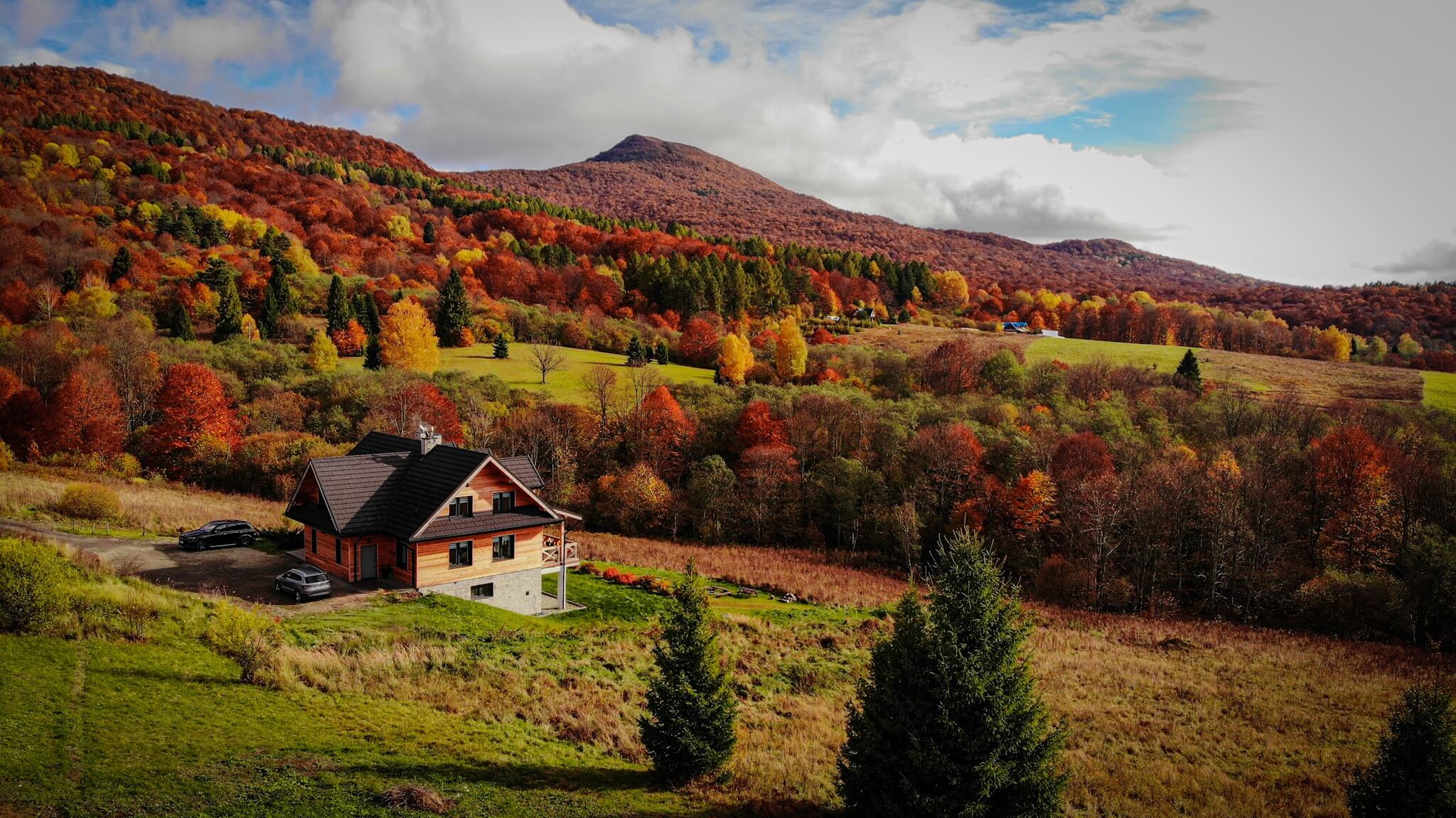
Bukowe Tarasy
Bukowe Tarasy - reservations independent of portals and phrases
Impact at a Glance
300%
increase in long tail visibility
50
semantic content subpages
3
combined content ecosystems
Business Goal
Bukowe Tarasy is the property with apartments in Wetlina, operating in a highly competitive mountain tourism market. The accommodation industry in the Bieszczady Mountains has relied on classic SEO, booking portals, and seasonal sales phrases for years. With the emergence of AI Overviews, zero-click searches, and recommendations generated by language models, this model no longer guarantees stable visibility and control of the brand narrative. The goal of the project was not 'better positioning' but to build a lasting semantic presence for the brand. One that works both in Google and Bing search engines as well as in answers generated by AI systems.
Starting Point
Implementation Pillars
01
Semantic content restructuring onsite
On the website bukowetarasy.pl, we implemented content designed not for phrases but for intentions and meanings. Each subpage serves a specific semantic function: it describes the stay experience, situates the property in the context of the region, answers user and AI model questions, and strengthens entities: place, landscape, style of relaxation, seasonality. Instead of a classic description of 'apartments in Wetlina', the content develops concepts such as silence, space, proximity to the trail, view of the meadows, or the rhythm of the seasons. These are elements that AI systems use in recommendations, comparisons, and descriptive answers.
02
Data structures and signals for AI
03
External semantic signals and context validation
An essential element of the strategy was also building semantic signals outside the brand's own website, through consistently designed descriptions of apartments on external accommodation services such as Airbnb.com, nocowanie.pl, Slowhop.com, or AlohaCamp.com. These were not descriptions created for phrases or booking portals but content semantically consistent with the brand narrative, which: strengthens key features of the stay experience, replicates meanings rather than words, situates the property in the same regional and emotional context, and serves as external sources confirming the brand's identity. For language models and recommendation systems, these are independent reference points that confirm the consistency of the place's description and enhance its semantic recognition. In practice, this translates into a greater number of contextual recommendations and indirectly into an increase in direct bookings, as users encountering the brand in AI responses seek its official website or are redirected to it directly from the dialog window in ChatGPT or Gemini.
Results
Conclusions
This case shows that in the era of AI: brand visibility does not result from ranking positions, language models 'learn' brands through context and relationships, content must describe meaning, not just the offer, linking becomes a carrier of meaning, not power. Bukowe Tarasy is an example of a brand designed to be understood, not just found.
Video Summary
FAQ